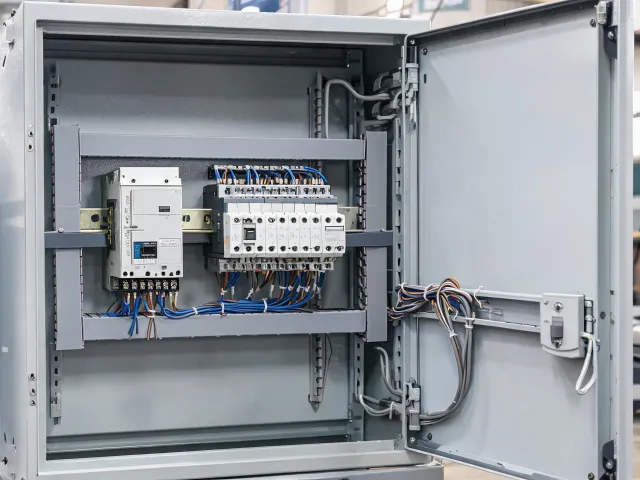
Industrial Automation
Control cabinets may combine PLCs, sensors, relays and actuators whose start-up and transient demand must be understood. Selection work covers input range, load peaks, mounting density, cabinet temperature and service access.
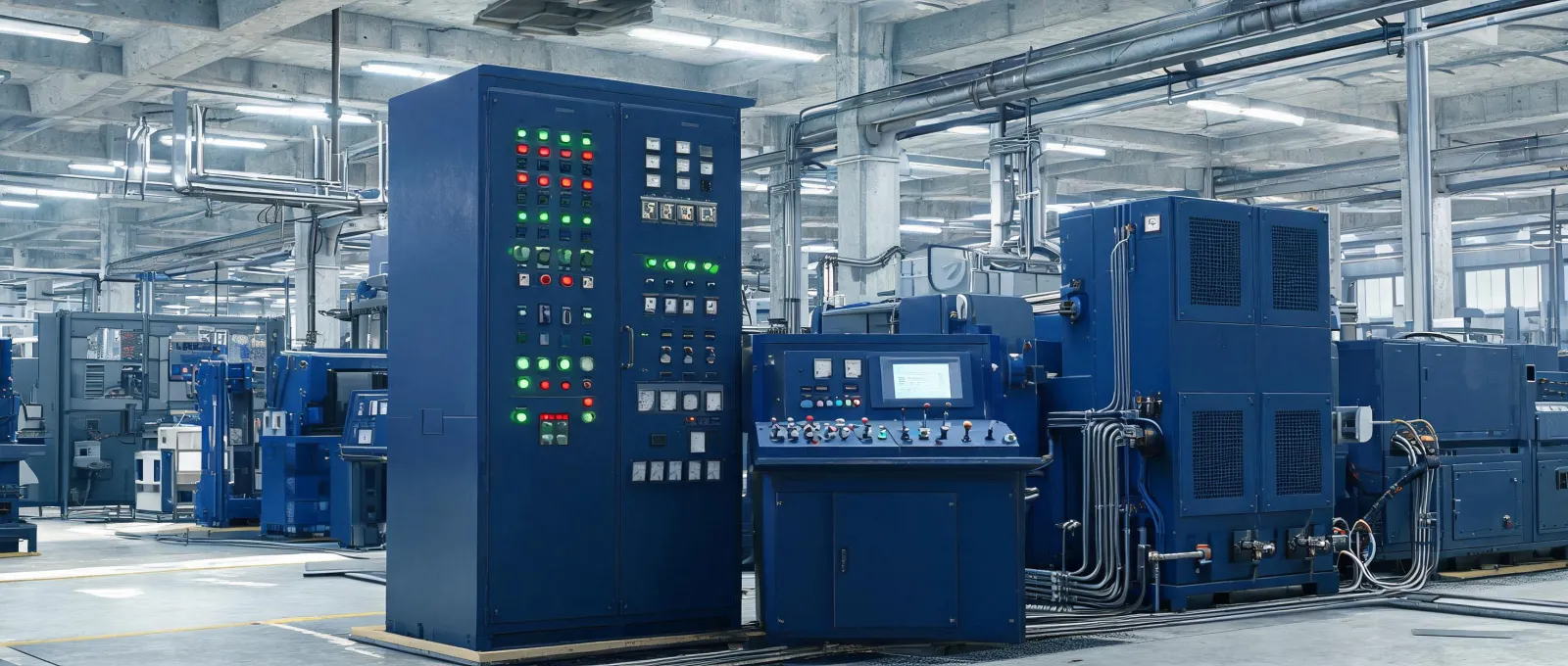
Different systems impose different load transients, thermal limits, maintenance expectations and approval requirements.
Control cabinets may combine PLCs, sensors, relays and actuators whose start-up and transient demand must be understood. Selection work covers input range, load peaks, mounting density, cabinet temperature and service access.
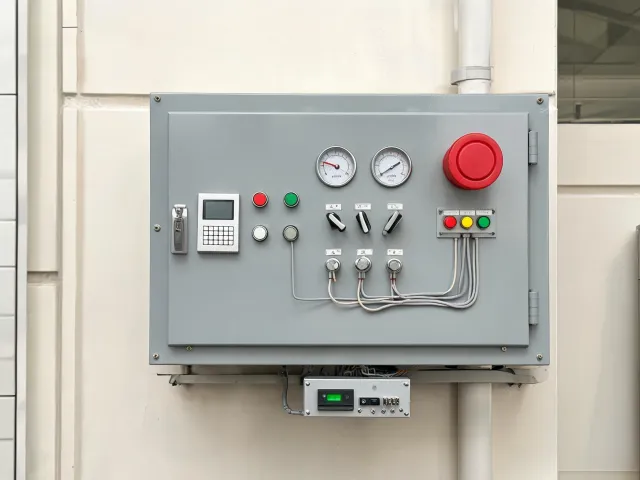
Access, lighting control and building-management subsystems favor documented low-voltage power, predictable protection behavior and maintainable installation. Project records should connect each supply to its supported circuits.
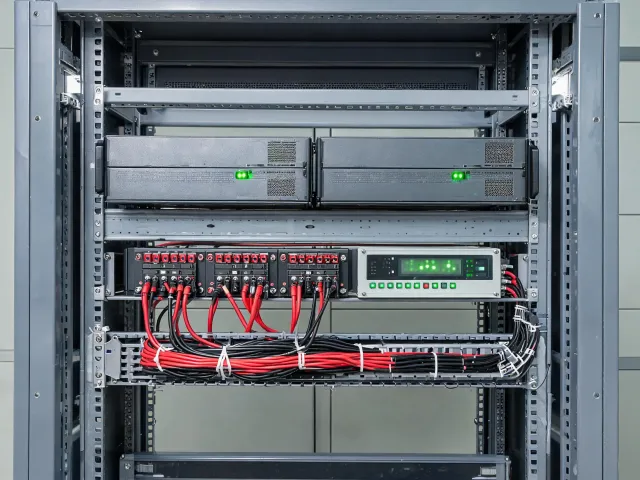
Continuous service can require redundancy, alarm contacts and deliberate margin. Engineers should examine fault response, load sharing assumptions, efficiency and thermal performance across expected operating states.
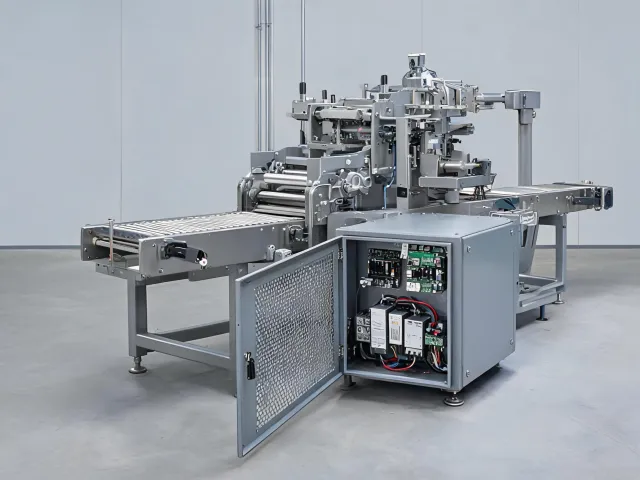
Machine builders balance footprint, repeatability and multinational documentation. A released design needs stable mechanical dimensions, clear terminals and an approval scope suited to the shipped equipment.
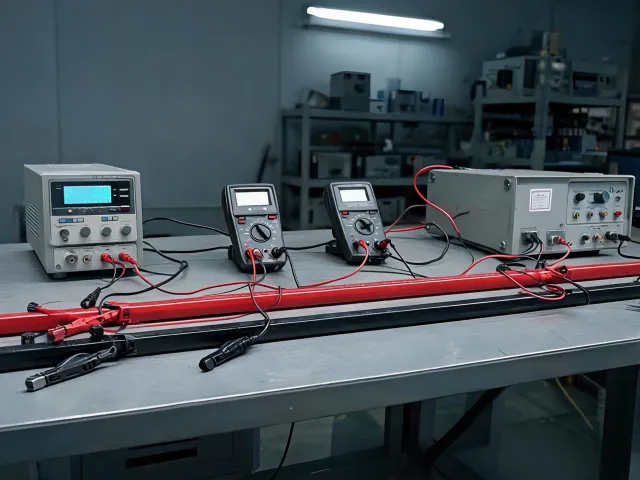
Instrumentation loads can make ripple, regulation and grounding behavior especially important. The supply is reviewed as part of the measurement chain, including cabling, noise paths and enclosure layout.
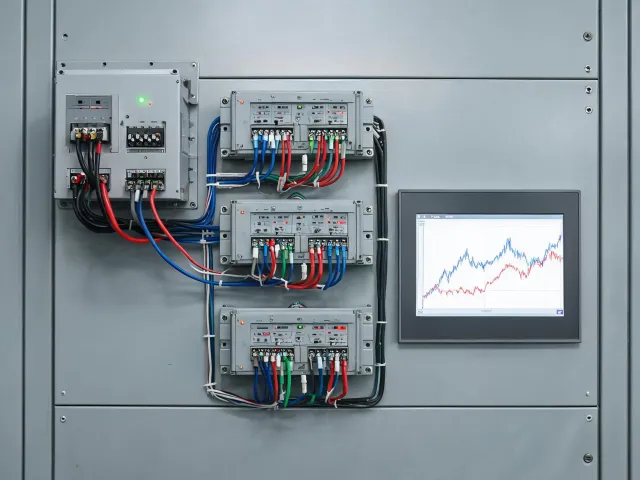
Remote monitoring panels may face broad ambient ranges and limited service access. Designers evaluate derating, surge environment, protective coordination and any enclosure ingress requirements.
A useful inquiry includes peak load, ambient temperature, mounting, duty cycle and approval destination.
Review an Application